
Rapid Prototyping
Fast, physical iterations — 3D printing, CNC micro-machining and one-off parts. We get the risky parts of your idea into your hands early, so decisions are made on real hardware, not assumptions.

Mechatronics Engineering · Auckland, New Zealand
Nova Technologies turns ideas into working hardware — rapid prototyping, proof of concept and minimum viable products, delivered end-to-end: CAD design, manufacturing drawings, electronics, software and IoT.
Who We Are
Nova Technologies is a mechatronics engineering practice spanning embedded systems, PCB design, IoT, robotics and CAD. We combine hands-on manufacturing and machining know-how with modern software capability — from AI-assisted development to cloud data infrastructure — to deliver complete solutions across product design, R&D and autonomous prototypes.
Fast, physical iterations — 3D printing, CNC micro-machining and one-off parts. We get the risky parts of your idea into your hands early, so decisions are made on real hardware, not assumptions.
Validate the make-or-break elements first: actuator selection, sensing, connectivity, power budgets. A proof of concept answers the hard questions before tooling and production budgets are committed.
A working product ready for real users and real markets. Parametric CAD and modular designs keep the MVP quick to modify as feedback comes in — and recycle cleanly into the production version.
Most products need mechanical design, electronics and software to agree with each other. We handle all three — plus the drawings, BOMs and validation documentation that make a design manufacturable.
Services
Custom engineering services for inventors, startups and established manufacturers — from a single machined part to a complete connected product.
Complete machine and product design — mechanical CAD, electronics, embedded software and controls developed together, so everything fits and works first time.
Connected sensor nodes and monitoring systems — Wi-Fi and LoRaWAN, MQTT data pipelines, live Grafana dashboards, and solar-powered off-grid deployments.
One-off parts, mechanisms and working demonstrators built fast — 3D printing, machining and off-the-shelf components combined to answer the question: can this work?
Turn a validated concept into a product real customers can use. Parametric, scriptable CAD models mean quick design changes and low-cost iteration as your market teaches you what to build.
Production-ready 2D mechanical drawings, BOMs, inspection criteria, test and validation reports and operational manuals — everything a manufacturer needs to quote and build your design correctly.
Schematic capture through to layout, prototype assembly and bring-up. Low-quiescent-current circuits for battery and solar systems, embedded hardware for robotics and automation platforms.
Case Studies
Real projects with measurable outcomes — from hygienic food-handling machinery to solar-powered IoT monitoring and dense, compact PCB design.
MINIMUM VIABLE PRODUCT
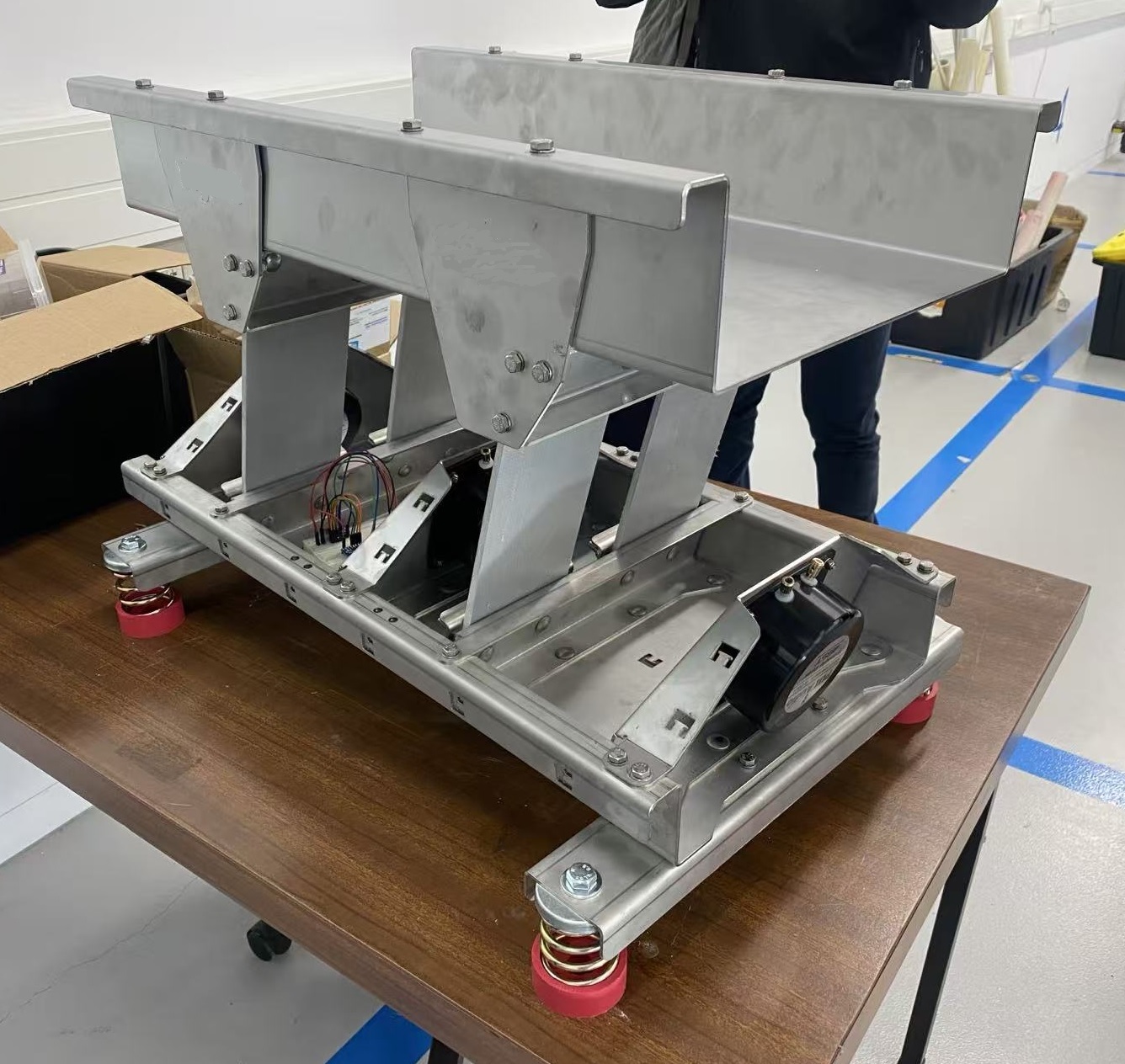
Problem. Conventional belt conveyors accumulate dirt along the sides and need constant cleaning. A single folded-sheet vibratory conveyor would be more hygienic, lower maintenance — and open a new product line.
Solution. Bass-shaker actuators (wide frequency response, simple gain control) driven the vibration, with a leaf-spring composite letting the bed move freely — ideal while the optimal frequency was still being found.
Outcome. Motion through vibration achieved: 1 mm peak-to-peak tray movement and a conveying speed of 0.08 m/s for vegetable produce.
Off-grid telemetry
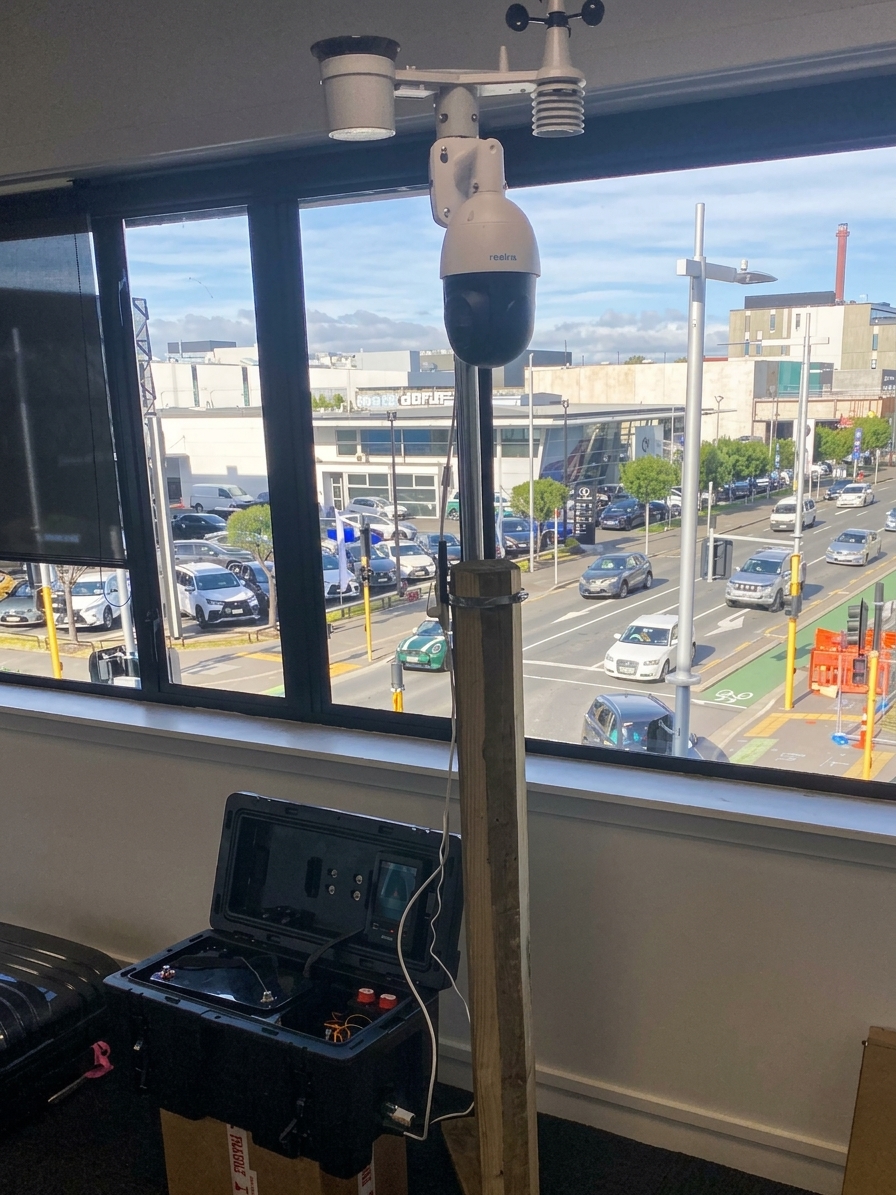
Problem. Remote monitoring where mains power and network access don't reach — with live data needed from cameras and weather sensors.
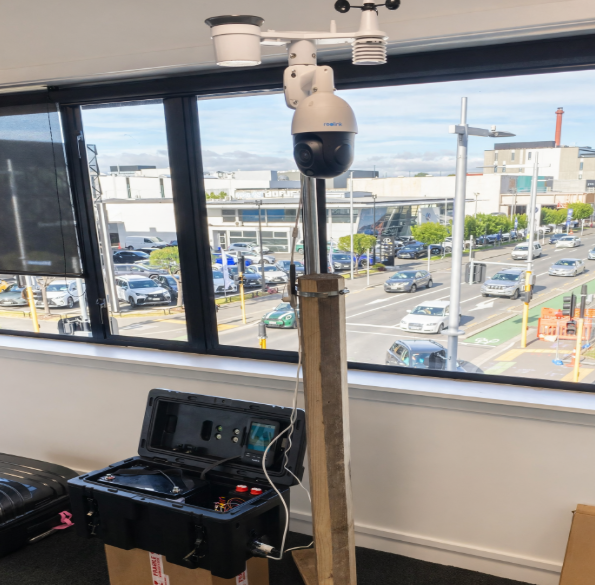
Solution. End-to-end IoT system design: solar-powered, off-grid telemetry nodes (ESP32-based weather stations and sensor nodes), a PTZ camera with a full weather suite, Wi-Fi and LoRaWAN connectivity, and MQTT data pipelines visualised live in Grafana.
Outcome. A rugged, solar-powered off-grid deployment delivering real-time camera and weather data from anywhere — no mains power or network required.
Autonomous retrofit vehicle
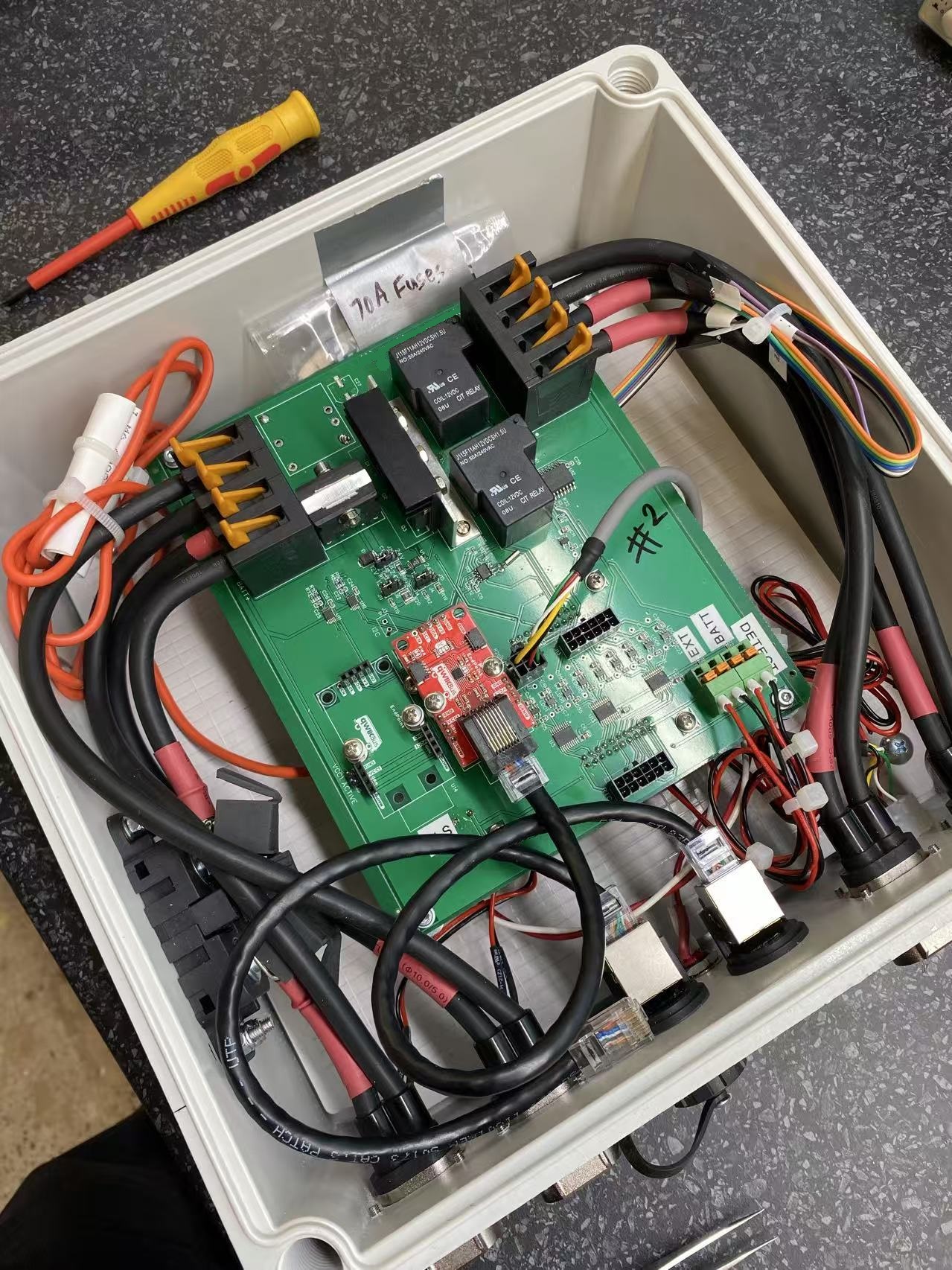
Problem. The power-management controller for an autonomous retrofit vehicle had a large footprint — and its battery went flat after long periods of inactivity. It had to accept and prioritise multiple power supplies, keep battery-crank noise isolated from the system, and fit the space available.
Solution. Smaller components, a two-to-four-layer PCB and stack-up components placed on both sides of the board — combined with an ultra-low quiescent-current MCU and a self-preserving power architecture, packaged tightly in CAD to suit heat dissipation and signal integrity requirements.
Outcome. The PCB footprint was reduced by half with preserved signal integrity and a reliable self-preserving power management.
IoT control systems
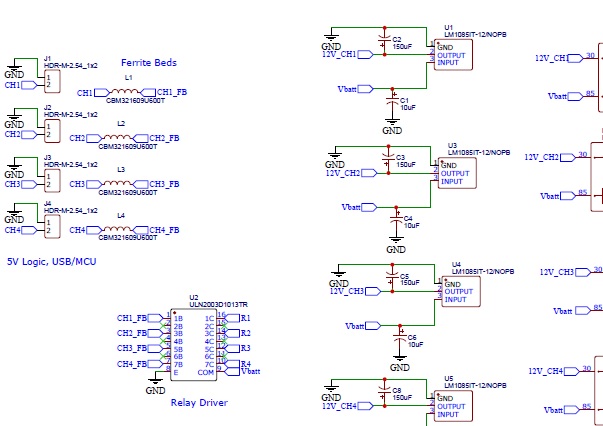
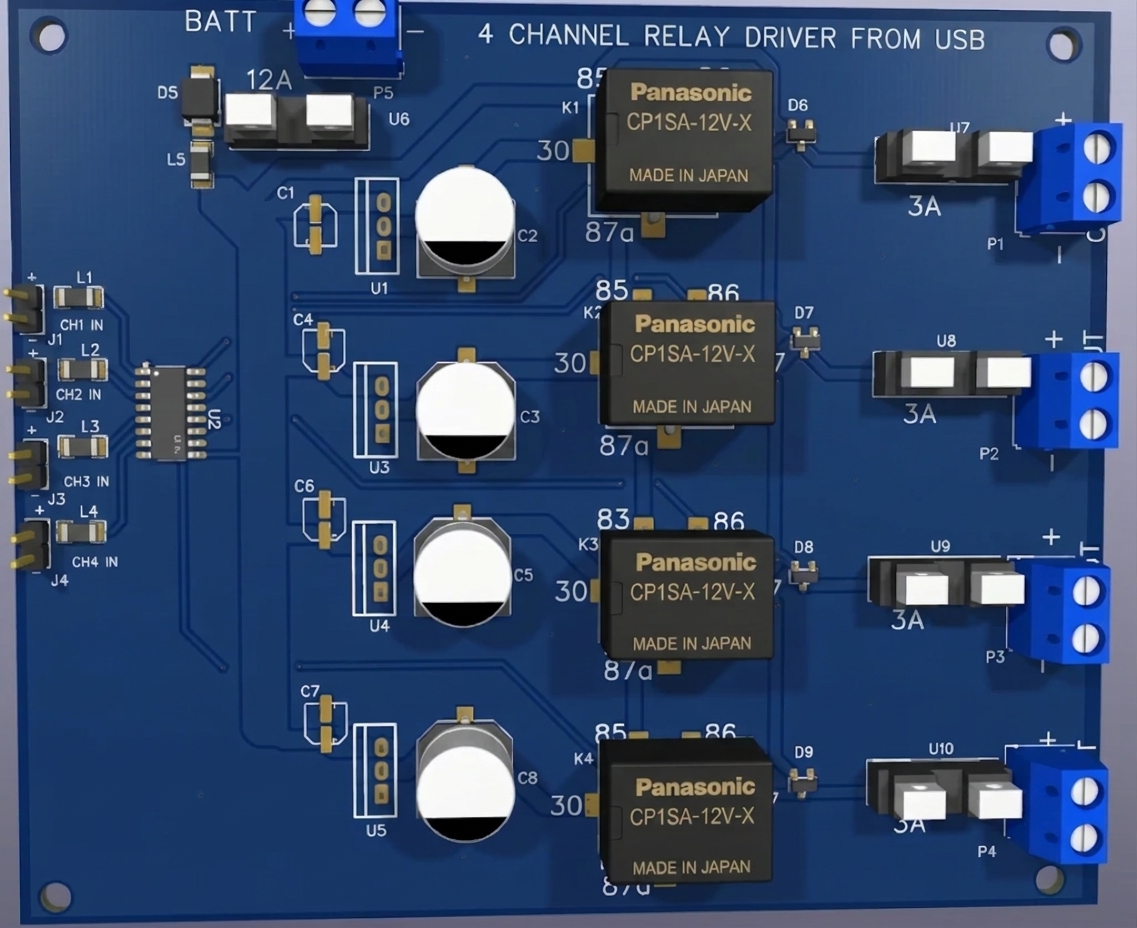
Problem. Switching real-world loads remotely usually means bulky, expensive, internet-tied hardware. The goal: a compact, USB-linked multi-channel relay driver anyone could deploy and monitor from a phone.
Solution. A custom multi-channel relay driver circuit — fused input, ferrite filtering, TVS/ESD transient protection and 12 V relay switching — designed from schematic capture through to PCB layout, then integrated with Wi-Fi telemetry so switching status and device state could be monitored and controlled from a mobile.
Outcome. A pocket-sized control module — safe switching, phone visibility and rapid deployment for automation, lighting and equipment control.
Reverse engineering
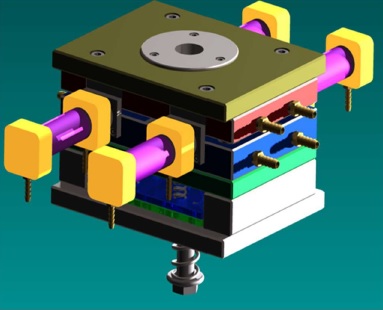
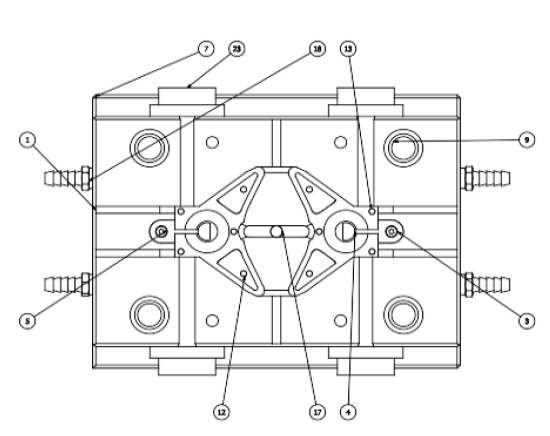
Problem. Existing bottling production line parts and consumables with no drawings impossible to re-order, quote or manufacture reliably.
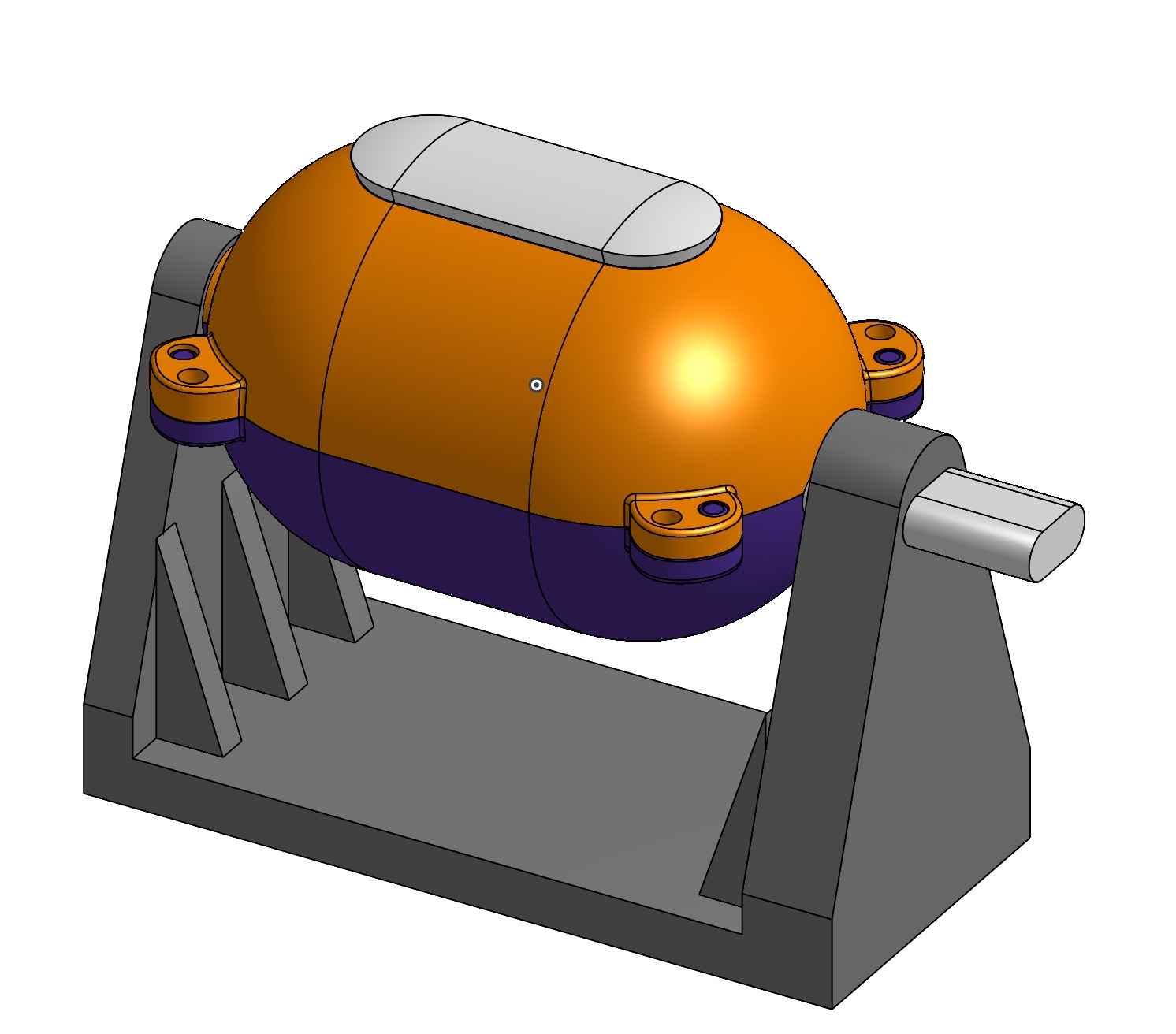
Solution. Parts measured and specified by hand. A pneumatic mould was designed. CAD models and production-ready manufacturing drawings, dimensions, tolerances, materials and weight, ready for the workshop floor.
Outcome. Complete, manufacturer-ready documentation and prototype parts produced straight from CAD. Repeatable, quotable and ready for tooling.
Consumer products
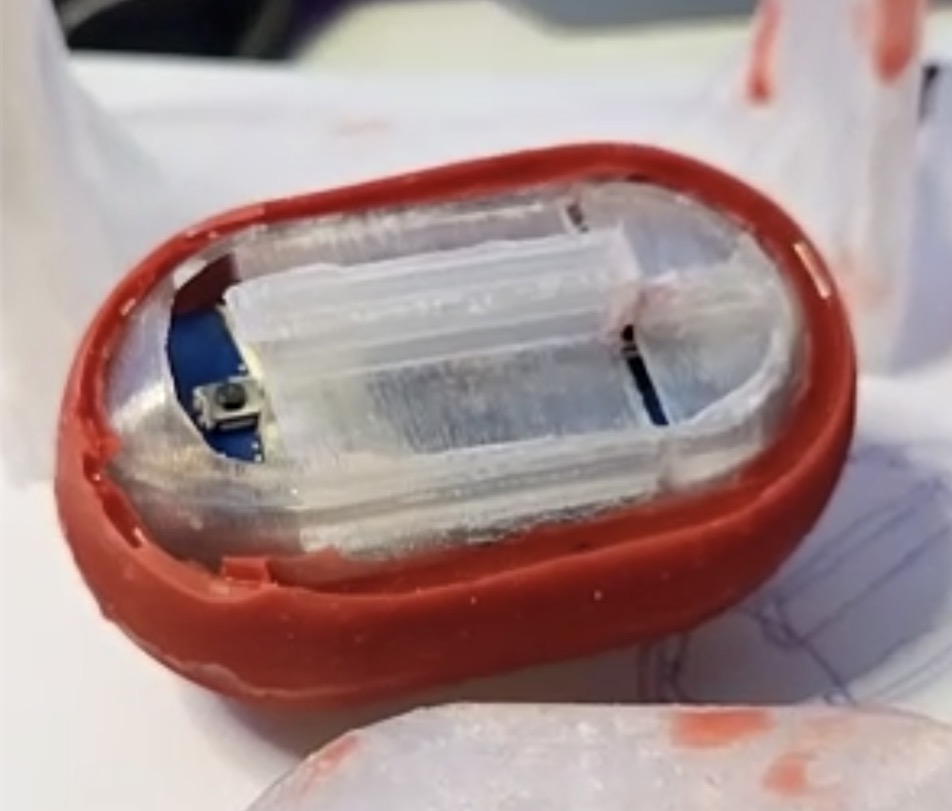
Problem. Consumer electronics prototypes priced out of reach.
Solution. A 3D-printed working Prototype was delivered. 3D printing goes straight from a digital CAD file to the physical build plate. Design changes cost nothing more than a few adjustments in the modeling software.
Outcome. Successful transformation of an abstract concept into a fully functional, tangible device that proves both form and electronic performance without heavy upfront capital expenditure.
Contact Us
Free consultation and quotation on your project. Describe what you're building, or what's not working yet, and we'll come back with practical next steps.